
Exploring the psychology of gambling: what drives casino behavior?
The Allure of Risk
Gambling is often characterized by a compelling allure, seducing individuals with the prospect of quick riches and thrill. This attraction stems largely from the innate human penchant for risk-taking. Whether it’s the thrill of spinning a roulette wheel or the anticipation of playing a hand of poker, the adrenaline rush plays a significant role in drawing people into casinos. The lights, sounds, and excitement of the casino floor amplify this exhilarating experience, making it nearly irresistible for many.
The potential for large winnings also fuels this risk-taking behavior. Gamblers frequently envision their lives transformed by a big win, leading to a cycle of hope and desperation. With so much at stake, many individuals are unable to resist the impulse to gamble, despite understanding the odds may not be in their favor. This cognitive dissonance showcases how emotions can often override rational thought in gambling scenarios.
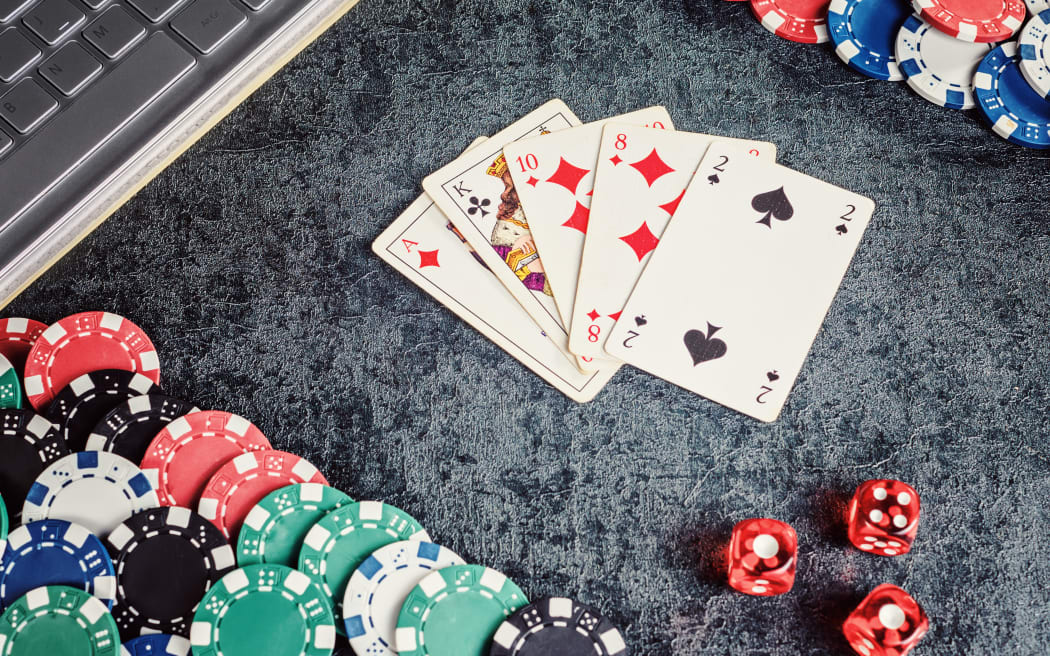
Moreover, the gambling experience is often compounded by the narratives that surround it. Stories of individuals hitting jackpots or winning big circulate through social circles and online forums, creating an almost mythological status around gambling successes. These tales contribute to an unrealistic expectation that luck can favor anyone, further fueling the desire to risk money in pursuit of fortune. This phenomenon not only heightens the allure but also normalizes the behavior, leading more individuals to partake in gambling.
The Social Aspect of Gambling
Certainly, gambling is not merely an isolated activity; it also has a strong social dimension. Casinos often serve as social hubs where individuals gather to engage with one another, fostering a sense of community. Whether it’s sharing a table at a blackjack game or cheering for a slot machine, the shared experience creates bonds among players. People are attracted to these environments because they thrive on interaction and camaraderie, helping them escape from their daily lives.
Additionally, the social aspect can serve as a mechanism for relieving stress and anxiety. In these settings, individuals often find solace in shared experiences, discussing strategies or simply enjoying each other’s company. This socialization can turn gambling into a more engaging experience, making players less likely to notice the time passing and the money being spent.

Furthermore, the social dynamics at play can lead to a sense of competition. Players often feel driven to match or exceed each other’s bets, further enhancing the thrill of the game. This competitive atmosphere can strengthen bonds among friends and family, who find joy in both the shared experience and the stakes involved. Such interactions can make the gambling experience even more memorable, solidifying a deeper connection with the activity.
The Role of Emotions in Decision-Making
Emotions heavily influence the way players make decisions within a casino. The concept of ‘loss aversion’ is crucial here; individuals tend to fear losses more than they value gains. This dynamic can lead to a cycle where players chase losses, believing that a win is just around the corner. While rationally they may recognize the unlikelihood of that happening, emotionally they feel compelled to continue playing.
Moreover, the feeling of excitement when winning, however small the amount, can further fuel this behavior. The elation associated with even a minor success encourages gamblers to keep engaging with the activities, underestimating the losses incurred over time. Thus, the rollercoaster of emotions—ranging from despair to euphoria—plays a vital role in perpetuating gambling behavior.
The emotional rollercoaster is further complicated by the phenomenon of gambling addiction, where the thrill becomes intertwined with compulsive behavior. Individuals may find themselves locked in a cycle where the highs of winning overshadow the grim reality of losses, leading to increasingly risky bets and financial strain. This cycle reveals the intricate relationship between emotion and decision-making that often leaves players ensnared.
The Impact of Environment and Design
The environment within a casino is meticulously designed to encourage prolonged play. From the layout to varying levels of light and sound, every element is tailored to enhance the gaming experience, keeping players engaged. Bright lights, enticing visuals, and comforting sounds create a sensory overload that makes it challenging to step away from the gaming floor.
Additionally, the absence of windows or clocks contributes to the disorientation experienced by gamblers. Without these cues, players can lose track of time, extending their stay and willingness to gamble. This engineered environment is no accident; it’s an integral part of the business model employed by casinos to maximize customer retention and, ultimately, profits.
The layout of the casino plays a huge role as well. High-traffic areas often host more popular games, capturing the attention of passersby and enticing them to try their luck. This strategic placement further emphasizes the importance of design in shaping player behavior, as well-timed wins and the allure of flashing machines keep gamblers within the confines of the casino. Such design choices underscore the relationship between environment and behavior, making every aspect of the casino experience intentional and impactful.
Discovering More Insights at Our Website
For those intrigued by the psychological aspects of gambling, further exploration can lead to valuable insights and awareness. Understanding the various drivers behind casino behavior contributes to a more informed approach, whether for personal interest or professional study. Engaging with resources that delve into these themes will enhance comprehension of the intricate relationship between gambling and human behavior.
Moreover, if you are looking to try your luck online, platforms such as online casino neosurf provide a comprehensive avenue to experience the thrill of gambling from the comfort of your home. Expanding your knowledge base can not only enrich your gaming experience but also encourage responsible gaming habits, ensuring that fun remains the primary focus.
Furthermore, understanding these psychological elements can facilitate healthier gambling practices. By recognizing the emotional triggers and environmental cues that may lead to problematic gambling, individuals can make more informed choices. Ultimately, the goal is to enjoy gambling as a form of entertainment while being mindful of its potential for impact on personal and financial well-being.